SW19 rubbish collection for flats on The Broadway
Posted on 02/09/2026

SW19 Rubbish Collection for Flats on The Broadway: A Practical Local Guide
If you live in a flat on The Broadway, you already know the drill: bins fill up faster than expected, bulky items become awkward almost overnight, and shared hallways make even a couple of old boxes feel like a small event. SW19 rubbish collection for flats on The Broadway is about more than simply getting rid of waste. It is about keeping communal spaces clear, avoiding neighbour friction, and choosing a collection method that actually fits apartment living in a busy stretch of Wimbledon.
This guide breaks down how flat rubbish collection works in a real-world setting, what makes The Broadway slightly different from a quieter residential street, and how to choose the most sensible option for your building. We will cover the benefits, the common mistakes people make, the best practical steps, and a few local considerations that tend to matter more than people expect. To be fair, rubbish is one of those things nobody wants to think about until it is already in the way.
Why SW19 rubbish collection for flats on The Broadway matters
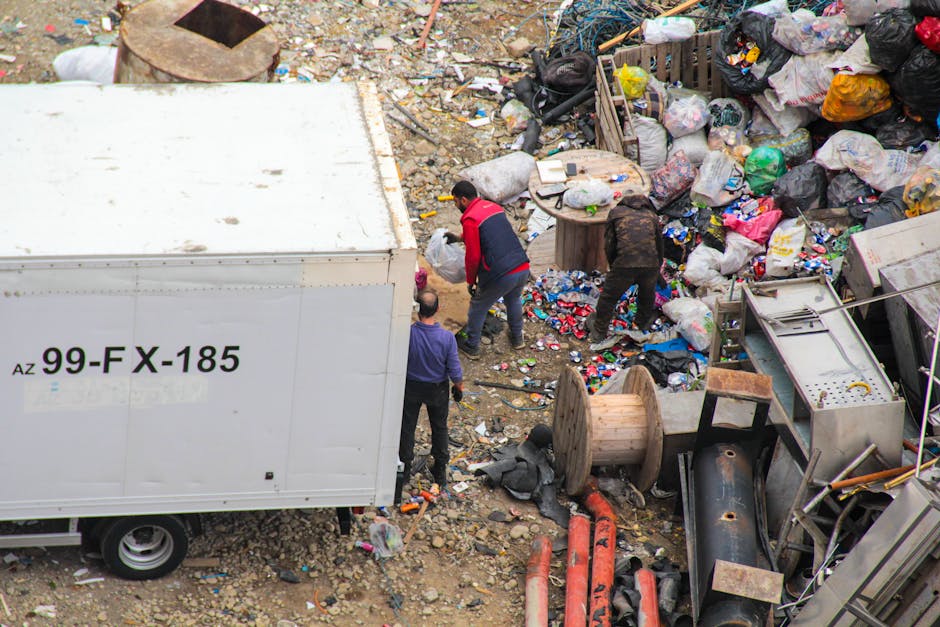
The Broadway is not a quiet cul-de-sac. It is a busy, mixed-use part of Wimbledon where flats, shops, offices, and day-to-day foot traffic all overlap. That creates a very specific rubbish challenge. Waste can build up quickly, access can be tight, and items often need to be moved through shared entrances or down narrow internal corridors. Nobody wants a sofa parked in the hallway for three days. Nobody.
For flats, rubbish collection is not just a convenience. It affects hygiene, fire safety, resident satisfaction, and the general feel of a building. A cluttered bin area can attract pests, create smells, and make a managed block look tired very quickly. If you are a landlord, managing agent, leaseholder, or tenant, the right approach keeps the building running smoothly without turning waste disposal into a monthly headache.
There is also a timing issue. In busy parts of SW19, especially around The Broadway, residents often need collection windows that work around work schedules, deliveries, and building access rules. In other words, the solution has to fit around life, not the other way around. For broader local context, some readers also find it useful to explore whether Wimbledon suits long-term residents and how the area continues to evolve.
Expert summary: For flats on The Broadway, the best rubbish collection service is usually the one that can work around access restrictions, shared areas, and fast turnaround needs without creating disruption.
How SW19 rubbish collection for flats on The Broadway Works
In practical terms, flat rubbish collection usually starts with a quick assessment of what needs removing, where it is located, and how easy it is to access. A small bag lift from a flat on an upper floor is very different from clearing a communal storage room or removing bulky waste from a basement area. The building layout matters. So does the lift situation. And yes, sometimes the difference between a smooth job and a frustrating one is a single locked gate or a missing entry code.
Most collection jobs follow a simple pattern. First, the provider confirms what type of rubbish needs collecting. Then they estimate the load size, any access challenges, and whether the waste includes items that require special handling. After that, the collection is booked. In the case of flats, the team may need to coordinate arrival times carefully so they can move items through communal areas without blocking residents.
If you are dealing with mixed waste, it helps to separate items in advance. Cardboard, general rubbish, furniture, broken household items, and electricals all need different handling in the real world, even if they are all sitting in the same corner when you first notice them. A good provider should explain what can go together, what needs separating, and what might be better handled as a different service, such as furniture disposal in Wimbledon or general rubbish clearance.
If you are a resident in a managed block, there may also be building rules to consider. Some developments want advance notice before large items are removed. Others need lift protection, corridor care, or specific collection hours. It sounds fiddly, and honestly it can be, but it is still far easier than dealing with a complaint after the fact.
Key Benefits and Practical Advantages
There are several real advantages to arranging professional rubbish collection for flats on The Broadway rather than trying to piece things together yourself.
- Less disruption: Items are removed in one go instead of sitting in a communal area for days.
- Better access planning: Teams can work around stairs, lifts, timed entry systems, and narrow routes.
- Cleaner shared spaces: That means fewer complaints and a better impression for visitors or prospective tenants.
- Reduced lifting risk: Heavy bags, broken furniture, and awkward items are not ideal DIY jobs.
- More flexible than a skip: In many flat settings, a skip is simply not the easiest answer.
- Quicker turnaround: Especially helpful for end-of-tenancy clean-ups or after a flat refurbishment.
For many people, the biggest benefit is peace of mind. Once the rubbish is gone, the building feels lighter. Sounds a bit dramatic, perhaps, but anyone who has tried to live around a stack of packaging and a dismantled wardrobe knows exactly what that means.
There is also a sustainability angle. Good waste handling should include sorting for reuse and recycling wherever possible. If that matters to you, it is worth reading about recycling and sustainability practices so you have a clearer picture of how mixed waste is typically managed.
Who This Is For and When It Makes Sense
This service is useful for a wide mix of people, not just one type of resident. In fact, that is part of the appeal. Flats on The Broadway can change hands quickly, be rented out frequently, and support a lot of short-term movement. Waste needs do not stay neatly in one category for long.
- Tenants who are moving out and need a fast, tidy clear-up.
- Landlords preparing a flat for new occupants.
- Letting agents dealing with abandoned items or end-of-tenancy leftovers.
- Leaseholders who are decluttering or replacing furniture.
- Managing agents who need communal or overflow waste removed.
- Small businesses in mixed-use blocks that need non-domestic waste handled properly.
It makes sense when the rubbish is too much for standard bins, too awkward for the car boot, or too time-sensitive to leave hanging around. It also makes sense when you want the job done neatly without dragging bags through a shared entrance at 8 a.m. while everyone else is trying to get to work.
If the issue is linked to a bigger flat clear-out, you may also find house clearance services in Wimbledon useful, especially where a property has more than just a few bags of waste to remove.
Step-by-Step Guidance
Here is the simplest way to approach flat rubbish collection on The Broadway without overcomplicating it.
- List what needs removing. Be specific. "A few bits" rarely helps. Say whether it is black bags, cardboard, mattresses, furniture, broken appliances, or mixed household waste.
- Check access conditions. Think about lift access, stair width, parking nearby, and whether someone needs to let the team in.
- Separate anything sensitive. Remove documents, valuables, personal items, and anything you want to keep. You would be surprised how often small things get buried in a rush.
- Ask how the collection will be carried out. Will items be taken from the flat itself, a communal bin store, or a loading point outside the building?
- Clarify recycling and disposal handling. A reliable provider should explain what happens to reusable or recyclable material.
- Confirm timing and building rules. Make sure the collection window suits residents and any building manager requirements.
- Prepare the waste in one place if possible. This saves time and reduces disturbance in shared corridors.
- Walk through the final area after collection. Check for missed items, mess, or damage. It is easier to sort out immediately.
It sounds straightforward because, well, it should be. The trick is in the preparation. Ten minutes of organisation often saves an hour of hassle later.
Expert Tips for Better Results
In our experience, the smoothest flat collections are not the ones with the fewest items. They are the ones where the resident has thought through the building logistics. That sounds dull, but it is true.
- Use sturdy bags and boxed loads. Flimsy bags split in lifts and stairwells. That is a mess nobody enjoys.
- Keep access clear before the team arrives. Bikes, prams, hallway clutter, and parcel stacks can slow everything down.
- Group similar items together. It helps the crew work faster and makes sorting easier.
- Book before your rubbish becomes urgent. Last-minute collections tend to feel more stressful, especially if you are juggling work or a move.
- Tell the provider about awkward items up front. Big mirrors, damaged wardrobes, and heavy white goods are best mentioned early.
- Use the right service for the job. A full mixed load is not the same as a small one-off item. Sometimes junk removal is the most practical fit; sometimes it is not.
A small but important tip: if the rubbish is in a top-floor flat and the lift is unreliable, say so early. It saves everybody from that awkward moment where the team turns up and suddenly the lift has chosen today to behave like a moody old kettle.

Common Mistakes to Avoid
Most problems with flat rubbish collection are avoidable. The same few issues crop up again and again.
- Leaving everything until the last minute. This is the big one. It creates pressure and usually costs more time than you expected.
- Not checking what can be collected. Some waste types need separate handling. Mixed assumptions cause delays.
- Blocking shared spaces. Putting waste in a corridor "just for now" is often not a good idea.
- Forgetting parking or access arrangements. A collection team cannot work efficiently if they cannot get close enough.
- Ignoring building rules. Even in a small block, management procedures matter.
- Assuming every option is the same. Skip hire, rubbish collection, and full waste clearance are not interchangeable in flat buildings.
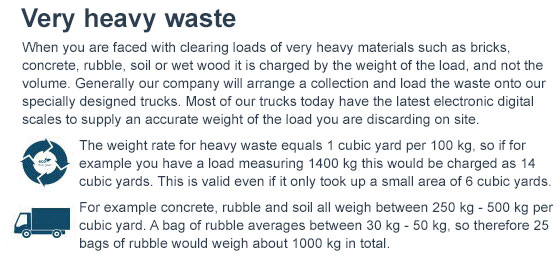
One surprisingly common mistake is overestimating how much can be squeezed into general bins. If you have bulk packaging from a move, old chairs, a mattress, or bulky household waste, it usually needs a more suitable solution. This is where planning early makes a real difference.
Tools, Resources and Recommendations
You do not need specialist equipment to prepare for flat rubbish collection, but a few simple tools help a lot.
- Heavy-duty bin bags for general waste and mixed soft rubbish.
- Strong tape for sealing boxes and loose packaging.
- Marker pen to label anything you want to keep separate.
- Gloves if you are moving rough, dusty, or awkward items yourself.
- Trolley or sack barrow if the building layout is awkward and you are moving multiple items short distances.
- Phone photos of the pile before collection, especially useful for managing agents or landlords.
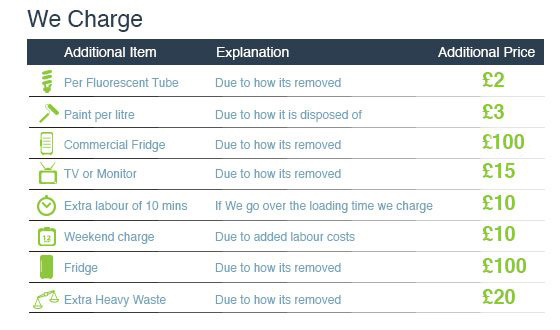
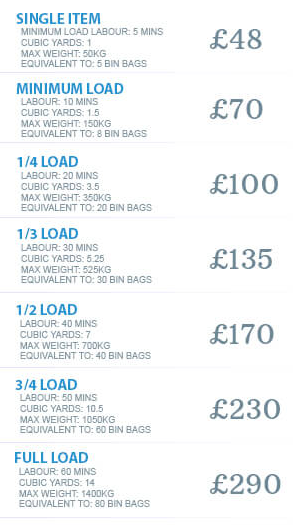
As a general recommendation, it is sensible to use a provider with clear information about services, pricing, payment, and safety. If you want a broader overview of what is offered in the area, the services overview is a helpful place to start. For budgeting, pricing and quotes can help you understand how estimates are usually approached.
If the job involves more than standard rubbish, such as a room full of worn-out furniture or leftover renovation material, it may be worth comparing this with builders waste clearance in Wimbledon or a more general waste removal service.
Law, Compliance, Standards, or Best Practice
For rubbish collection in flats, the main thing to remember is that waste should be handled responsibly, legally, and with proper care for shared spaces. In the UK, residents and businesses both have responsibilities around how waste is stored, presented, and handed over for disposal. Exact duties can vary depending on whether the waste is domestic, commercial, or mixed, so it is sensible to treat the situation carefully rather than assume one rule fits every case.
For flat buildings, best practice usually means:
- not leaving waste in hallways, lobbies, or escape routes
- making sure bags and items are secure before movement
- using appropriately licensed waste collection arrangements
- keeping recyclable materials separate where practical
- avoiding damage to shared areas during removal
Insurance and site safety also matter. If collection involves heavy lifting, narrow stairs, lift use, or fragile surfaces, the team should work in a way that reduces risk to people and property. If you want more detail on how a provider approaches this, insurance and safety is a sensible read.
For landlords and managing agents, records are a good idea too. A simple note of what was removed, when, and by whom can save confusion later. It does not need to be fancy. Just clear.
Options, Methods, or Comparison Table
Not every rubbish problem in a flat should be handled the same way. Here is a simple comparison to help you choose.
| Option | Best for | Strengths | Limitations |
|---|---|---|---|
| Standard council-style bin use | Small everyday household waste | Simple, familiar, low effort | Not suitable for bulky or excess waste |
| Professional rubbish collection | Mixed waste, bulky items, flat clear-outs | Flexible, quick, access-friendly | Needs a booking and clear item list |
| Skip hire | Larger jobs with enough outside space | Useful for ongoing work or bigger volumes | Often awkward for flats on busy roads |
| DIY van trip | Small loads and one-off drop-offs | Can seem cheap at first | Time-consuming, labour-heavy, and less convenient |
For many flats on The Broadway, professional collection wins on practicality. Skip hire can still make sense for certain projects, but on a busy road with shared access, it is not always the neatest fit. If you are weighing up options, skip hire in Wimbledon is worth comparing against direct collection.
Case Study or Real-World Example
Imagine a two-bedroom flat above a busy stretch of The Broadway. The tenant has just moved out, and the property manager has discovered a mix of items: two broken dining chairs, a mattress, several bags of general rubbish, flattened boxes, and a half-dismantled shelving unit left in the hallway. Nothing dramatic. Just enough to be annoying.
The first temptation is to try and stagger it out over a few days. But that creates a more visible mess, and in a block with regular foot traffic, everyone notices. Instead, the manager arranges a one-off collection. The waste is grouped in the flat, the lift is reserved for a short slot, and the provider is told about the bulky furniture in advance. The team arrives, removes everything in one visit, and the flat is left clear for cleaning and re-let works.
That is the kind of outcome people usually want: fast, tidy, low drama. No one loves waste removal. But when it is handled well, it quietly disappears into the background, which is exactly how it should be.
If the same flat had been full of leftover belongings rather than just rubbish, a more comprehensive service such as loft clearance or garage clearance might have been a better fit. The point is to match the method to the mess.
Practical Checklist
Before collection day, run through this checklist. It is simple, but it catches the usual problems.
- Have I listed every item that needs removing?
- Have I separated anything I want to keep?
- Do I know where the items will be collected from?
- Are there any building access rules or time restrictions?
- Have I mentioned bulky, heavy, or awkward items?
- Is the corridor, lobby, or bin area clear?
- Do I know whether any items need special handling?
- Have I checked parking or stopping access near The Broadway?
- Have I confirmed the collection time and contact details?
- Have I chosen the right type of service for the amount of waste?
If you can tick all of those off, you are in good shape. Really, that is most of the battle.
Conclusion
SW19 rubbish collection for flats on The Broadway works best when it is treated as a practical building-management task, not a last-minute chore. The busy local setting, shared entrances, and varied flat layouts all mean that access, timing, and clarity matter just as much as the waste itself. Once you understand that, the process becomes much easier to handle.
The key is simple: prepare early, choose the right method, and make the collection as straightforward as possible for everyone involved. That approach saves time, reduces friction, and keeps your flat or building feeling calm rather than cluttered. And in a lively part of Wimbledon, calm is worth a lot.
Get a free quote today and see how much you can save.
If you are still comparing services or want a better sense of how the wider area is handled, you may also find it useful to read about rubbish removal in Wimbledon Village's narrower streets or waste clearance near Wimbledon Common. Different streets, different challenges - that is London for you.
And if you want to know a little more about the people behind the service, you can also look at about us before you decide. Sometimes a bit of trust-building makes the whole thing feel simpler, which is fair enough.


 Tipper Van - Rubbish Removal and Rubbish Collection Prices in Wimbledon SW19
 Luton Van - Rubbish Removal and Rubbish Collection Prices in Wimbledon SW19