Wimbledon Park waste clearance near Wimbledon Common
Posted on 11/08/2026

Wimbledon Park Waste Clearance Near Wimbledon Common: A Practical Local Guide
If you are dealing with a garden pile-up, post-renovation debris, old furniture, or general rubbish build-up, Wimbledon Park waste clearance near Wimbledon Common needs to be quick, tidy, and done properly. Local clearances sound simple on paper. In real life, though, access, parking, neighbours, timing, and what can legally be taken away all matter. That is especially true around Wimbledon Common, where roads can be busy, homes vary from period properties to modern flats, and small mistakes can turn a straightforward job into a bit of a faff.
This guide breaks down how waste clearance works locally, what to expect, which service types fit which situations, and how to avoid the common traps that cost time and money. You will also find a checklist, a comparison table, and a few real-world tips that make planning easier.
Quick take: the best clearance jobs are the ones planned around access, load size, sorting, and responsible disposal. Simple. Not always easy, but simple.
Why Wimbledon Park waste clearance near Wimbledon Common Matters
Waste clearance is not just about getting rid of stuff. Around Wimbledon Park and the edges of Wimbledon Common, it is also about keeping homes, gardens, driveways, shared entrances, and business premises usable. That matters because these areas often mix residential calm with heavy foot traffic, narrow approach roads, and a fair amount of seasonal activity. On a sunny weekend, you can have walkers, cyclists, families, and cars all trying to share the same space. Add a bulky sofa or a few builder's bags left out too long, and things become awkward very quickly.
There is also the aesthetic side. Clean paths, tidy frontages, and clutter-free gardens help maintain the character of the area. If you are preparing a property for sale or letting, that visual impression matters more than people often admit. A cluttered exterior can make an otherwise attractive home feel neglected. The same goes for offices and rental units; first impressions count, and they count fast.
For many people, local clearance becomes necessary after one of three moments: a spring clean that got out of hand, a renovation that left a small mountain of debris, or a life event such as moving house, downsizing, or clearing a relative's property. It can feel personal as well as practical. That's why a calm, organised approach helps.
Some readers will also want to match clearance with wider property and neighbourhood goals. If that is you, related reading such as whether Wimbledon is ideal for residents and local property market insights can provide useful context for planning around a home move or upgrade.
How Wimbledon Park waste clearance near Wimbledon Common Works
In practice, waste clearance is usually more straightforward than skip-hire for many domestic and small commercial jobs, mainly because a crew can load items directly. That saves you from lifting everything into a container yourself, which is a relief if you have awkward stairs, limited parking, or heavy furniture.
Here is the usual flow. First, you describe the items, volume, and access. Then a quotation is prepared, sometimes based on photos. After that, the team arrives, removes the waste, sorts it, and transports it for disposal, reuse, or recycling where appropriate. Good operators will ask sensible questions: Where can they park? Are there steps? Are there any restricted items? Is it garden waste, household junk, or builder's debris? These are not nosey questions. They are the questions that prevent delays.
Depending on the job, the clearance may be:
- One-off domestic clearance for a house, flat, or garden
- Partial clearance where only certain rooms or items are removed
- Full property clearance for a move, probate, or end-of-tenancy reset
- Commercial clearance for office furniture, archived materials, or shop waste
- Builders waste clearance after refurbishments, rip-outs, or small construction jobs
If the waste is largely from a renovation or trade project, it is worth looking at builders waste clearance in Wimbledon rather than trying to force the job into a general rubbish collection. The category matters more than people think, because the disposal method can differ.
For a broader picture of available services, the services overview page is a helpful place to understand how different clearance types fit together. And if you are comparing methods, that step is worth doing before you book anything.
Key Benefits and Practical Advantages
The most obvious benefit is time. A proper clearance team can remove a lot of material in a short visit, which is a big advantage if you are working to a deadline. But time is only part of it.
Better access management. Around Wimbledon Park and Wimbledon Common, access can be the real challenge. Parking windows, shared drives, and narrow roads can make self-managed disposal frustrating. A team that knows how to work efficiently on local streets can keep things moving without causing unnecessary disruption.
Less physical strain. You do not have to carry broken wardrobes, damp garden bags, or old white goods down stairs by yourself. That sounds obvious, but people still underestimate just how exhausting this can be. One heavy chest of drawers is manageable. Ten? Not so much.
Cleaner finish. A good clearance should leave the area swept through and usable, not just technically empty. That final tidy-up is one of those details that makes the service feel worth it.
Smarter sorting. Reuse and recycling are far easier when items are separated properly from the start. Responsible operators will think in categories, not just "stuff".
Better peace of mind. If you are dealing with sensitive items, shared property, or a tight deadline, knowing the disposal is being handled safely can take a surprising amount of pressure off your shoulders.
Expert summary: the best local waste clearance is not the cheapest-looking quote on paper. It is the one that handles access, sorting, and disposal cleanly, with no awkward surprises on the day.
Who This Is For and When It Makes Sense
Waste clearance near Wimbledon Common suits a wide mix of people. The most common are homeowners, renters, landlords, estate agents, tradespeople, and small businesses. But the reasons vary quite a bit.
- Homeowners often need help after decluttering, decorating, garden work, or a move.
- Landlords may need a fast turnaround between tenancies, especially if a property was left with bulky items.
- Estate agents and executors often need respectful, efficient property clearance after a sale or probate process.
- Office managers may need desks, chairs, filing cabinets, or old tech removed during a refit.
- Builders and trades usually need a quick uplift for rubble, timber offcuts, packaging, or mixed site waste.
There are also seasonal triggers. Spring and autumn are classic times for garden clean-ups and loft clear-outs. At the end of summer, when gardens have been used hard and patios are full of bits and pieces, the need becomes obvious. You look out the window and think, right, this has to go.
If your job is mainly household clutter, house clearance in Wimbledon may be the best fit. If the main issue is mixed rubbish from a refresh, junk removal can be more suitable. For furniture-heavy jobs, furniture disposal is often the simplest route. And if your garage has become a sort of archaeological site, garage clearance is likely the better match.
A small but important note: not every job is urgent. Sometimes it is better to clear in stages. That is especially true if you are sorting through a family property or planning a move. Rushing can lead to mistakes, and nobody wants to bin something important by accident.
Step-by-Step Guidance
Here is the simplest way to approach a local clearance without overcomplicating it. Bit of planning upfront saves a lot of hassle later.
- Walk through the space. Identify what needs to go, what stays, and what might need special handling. Be honest with yourself here. A pile of "maybe" items becomes a time sink fast.
- Separate the obvious categories. Put garden waste, furniture, general junk, and builders waste into rough groups. Even a basic split helps.
- Check access. Measure stairwells, look at parking, and think about where items can be carried out. If the property has tight access, say so early. No one enjoys surprises on the pavement.
- Take a few clear photos. Photos help with estimating volume and planning load size. Good light is best, though mid-morning in winter London is often doing its own thing.
- Ask about restricted items. Some waste streams need special handling. It is better to ask first than discover a problem at pickup.
- Book a suitable service. Match the job to the right type of clearance rather than relying on a generic term.
- Prepare the space on the day. Clear a route, unlock gates, and keep pets or children safely away from the work area.
- Check the finish. Make sure the agreed items have gone and the area is left tidy.
If you want to compare pricing before moving ahead, the pricing and quotes page can help set expectations. And if you are still at the stage of weighing up how the service is delivered, the rubbish collection in Wimbledon option may be worth considering for smaller, simpler loads.
One practical note from experience: if your clearance is happening near a busy weekend or during school-run hours, build in a little buffer. Ten minutes here, twenty there. That buffer can save the whole day from feeling rushed.
Expert Tips for Better Results
Small decisions make a big difference on clearance day. Here are the ones that tend to matter most.
- Start with the largest items. Sofas, wardrobes, mattresses, and appliances define the load more than a dozen small bags do.
- Use photos with scale. Include a doorway, a bin, or a standard chair if possible. That gives a better sense of size.
- Keep reusable items separate. If something can be reused, don't bury it under broken clutter. Makes life easier for everyone.
- Tell the truth about access. If the road is narrow, the gate is awkward, or parking is limited, say so clearly.
- Bundle related work together. If you are clearing a loft and a garage in the same visit, mention both. Combining jobs is often simpler than repeating visits.
- Think about weather. Rain changes the feel of a clearance day more than people expect, especially with garden waste or exposed outdoor loads.
If your project includes a garden, garden waste removal in Wimbledon is the sensible route for cuttings, soil, branches, and the usual post-pruning mess. And if the whole job is part of a bigger declutter, pairing it with loft clearance can stop clutter from just moving from one room to another. We have all done that little dance before. It looks productive, but really it is just the same problem wearing a different coat.
Another tip: try not to leave loose hazardous-looking items mixed in with ordinary rubbish. If there is anything you are unsure about, flag it before collection. Better to pause for a second than create a disposal issue later.

Common Mistakes to Avoid
Most clearance problems are avoidable. They usually come from rushing, guessing, or not saying enough at the start.
- Underestimating volume. A room that "doesn't look that bad" can still contain more waste than expected once everything is pulled out.
- Mixing categories carelessly. Garden waste, furniture, building debris, and general rubbish may all be handled differently.
- Forgetting access issues. Tight roads, no parking, and awkward staircases can affect timing and loading.
- Leaving items in inaccessible places. If the team cannot reach it safely, the job slows down or needs rescheduling.
- Booking the wrong service type. A builders load is not the same as a household declutter. It may seem obvious, but people mix these up more than you'd think.
- Not checking disposal expectations. If a service says it sorts and disposes responsibly, make sure that is clear from the outset.
There is also a quieter mistake: clearing too aggressively during emotional jobs. After a bereavement or a family move, people sometimes want everything done instantly. Fair enough, but that is not always the safest approach. A slower, staged method can be kinder and more accurate.
Tools, Resources and Recommendations
You do not need specialist equipment to prepare for most clearances, but a few simple tools can help.
- Phone camera for photographs and item lists
- Marker tape or sticky notes to label keep, remove, and unsure piles
- Bin bags or heavy-duty sacks for small loose items
- Gloves if you are sorting through dusty storage areas
- Measuring tape for checking access and bulky furniture
- Notebook or notes app for item categories and questions
On the service side, useful pages to review include waste removal options in Wimbledon, rubbish clearance, and office clearance if you are dealing with desks, chairs, filing cabinets, or archive clutter. If the job is mainly loose items from a shed, cupboard, or end-of-tenancy pile, junk removal may be the most efficient fit.
It can also help to understand the company behind the service. Pages like about us, insurance and safety, payment and security, and recycling and sustainability are useful trust signals when you are deciding who to book.
Law, Compliance, Standards, or Best Practice
Waste clearance in the UK is not only a practical matter; it is also a compliance issue. You do not need to become a legal expert, but you should expect any professional operator to handle waste responsibly and to sort it for lawful disposal. That includes not leaving material fly-tipped, not cutting corners with restricted waste, and not treating mixed rubbish as if it were all the same thing.
For householders, the main best-practice rule is simple: check what is being collected, ask how it will be handled, and keep records if the job is substantial. For landlords, agents, and businesses, that record-keeping becomes even more important. If you are clearing a property for handover or preparing a site for the next trade, clarity on what was removed is useful later on.
Good safety practice matters too. Clear routes before lifting begins. Keep breakables away from heavy items. Don't place sharp or heavy waste where people may trip over it. These are small things, but they prevent the kind of accident that ruins an otherwise smooth day.
If a task involves construction debris, the rules of common sense apply very firmly. Builder's rubble, plasterboard, timber, packaging, and fittings are better handled through a dedicated builders waste clearance service rather than bundled casually with domestic waste. It is cleaner, safer, and usually less awkward.
One more thing. If a provider talks about disposal in very vague terms, ask again. A trustworthy team should be able to explain their process in plain English without sounding evasive.
Options, Methods, or Comparison Table
Different jobs suit different methods. The best choice depends on access, volume, item type, and how much hands-on work you want to do yourself.
| Method | Best for | Pros | Trade-offs |
|---|---|---|---|
| Man-and-van style clearance | Mixed household waste, furniture, quick clear-outs | Flexible, direct loading, less lifting for you | May need clear access and accurate item descriptions |
| Skip hire | Projects with ongoing waste generation or DIY work | Good for longer jobs, you can fill it gradually | Needs space, permits may be relevant, manual loading required |
| Targeted rubbish collection | Smaller loads or straightforward mixed rubbish | Simple, often quick, low effort | Not ideal for very bulky or highly varied loads |
| Full property clearance | Moves, probate, end-of-tenancy, major decluttering | Thorough, efficient, less decision fatigue | Needs more planning and item separation |
For many people near Wimbledon Common, the decision comes down to access. If the road is tight or parking is limited, a full skip can be a headache. In that case, a collection-based service is often the calmer option. If you are renovating over several days, though, a skip can still make sense. It depends. Not everything has one neat answer, annoyingly enough.
Case Study or Real-World Example
Imagine a ground-floor flat near Wimbledon Park with a small courtyard garden. Over the years, the garden has collected broken plant pots, a rusting barbecue, some timber offcuts, two chairs that have seen better decades, and a pile of general rubbish from a pre-sale tidy-up. The owner also wants the hallway cleared because a wardrobe is blocking the route out.
In a case like that, the best plan is usually to separate the items into three streams: garden waste, furniture, and mixed household rubbish. The owner takes a few photos, checks the route to the courtyard, and flags that access is through a narrow side path. On collection day, the team can focus on removing everything in one go instead of making repeated trips. The result is a clean, usable space and no lingering mess at the front of the property.
Now compare that with a small office near the Common that is changing layout. There are desks, monitor stands, filing cabinets, and a few bags of archive material. That job is more suited to office clearance, where the items can be removed in a planned sequence without disrupting the rest of the building. Different problem, different method. Easy to say, but that distinction saves a lot of frustration.
For readers who are also thinking about the local character of the area, a gentle side read like a stroll through Wimbledon's quaint district gives a nice feel for the neighbourhood. And if you are dealing with a narrower residential road, the practical advice in Wimbledon Village rubbish removal for narrow streets is especially relevant because those access challenges are very real, honestly.
Practical Checklist
Use this checklist before you book or on the morning of the clearance.
- Have you listed everything that needs to go?
- Do you know which items are bulky, heavy, fragile, or awkward?
- Have you separated garden, furniture, rubbish, and builder-style waste where possible?
- Have you checked access, parking, gates, and stairways?
- Have you taken clear photos in decent light?
- Have you confirmed whether any items need special handling?
- Have you thought about timing around neighbours, deliveries, or building work?
- Is the route to the waste clear and safe?
- Do you know what the finish should look like after collection?
- Have you reviewed pricing and service details before booking?
Best practice tip: if you are unsure whether a job is a house clearance, rubbish collection, or general waste removal, describe the contents rather than trying to label it too quickly. The contents tell the story better than the category name sometimes.
If you are ready to take the next step, a quick conversation through the website's contact route can help you match the right service to the right load. For straightforward enquiries, the contact page is the natural place to begin.
Get a free quote today and see how much you can save.
Conclusion
Good waste clearance near Wimbledon Common is really about removing friction. You want the clutter gone, yes, but you also want the process to feel calm, local, and under control. When the job is planned properly, the difference is immediate: clear paths, better use of space, and one less thing hanging over your head.
Whether you are clearing a garden, sorting a flat, preparing a property for sale, or dealing with renovation leftovers, the key is to match the service to the waste, check the access, and keep the details clear from the start. That approach works better than guesswork every time.
And once the space is clear, you notice the little things again: light coming into a room, the shape of a garden, the quiet of a tidy driveway. That part is lovely, to be fair.



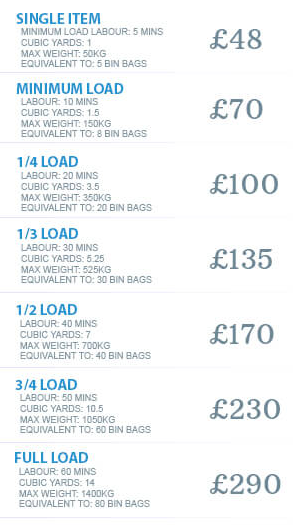
 Tipper Van - Rubbish Removal and Rubbish Collection Prices in Wimbledon SW19
 Luton Van - Rubbish Removal and Rubbish Collection Prices in Wimbledon SW19