Wimbledon Village rubbish removal for narrow streets
Posted on 27/07/2026
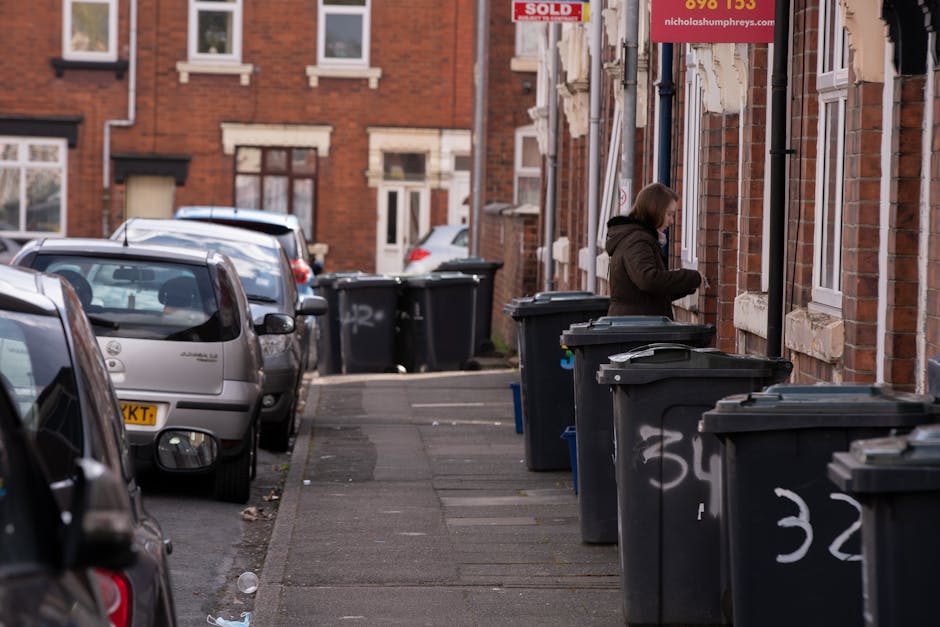
Wimbledon Village rubbish removal for narrow streets: a practical local guide
Rubbish removal in Wimbledon Village can look straightforward until you meet the real challenge: narrow streets, tight turns, parked cars, front steps, and hardly any space to swing a bin bag, let alone move a bulky sofa. If you are trying to clear a home, garden, flat, or small business premises, Wimbledon Village rubbish removal for narrow streets needs a different approach from a typical suburban collection. The good news? With the right planning, the job can be neat, quick, and far less stressful than most people expect.
This guide explains how local rubbish clearance works in compact streets, what makes Wimbledon Village different, and how to avoid the usual mistakes that turn a simple clear-out into a small parade of frustration. You will also find a comparison of removal options, a practical checklist, and a real-world example that shows how the process tends to work in practice. No fluff. Just useful, local-minded advice.
Why Wimbledon Village rubbish removal for narrow streets Matters
Wimbledon Village has a charm that people love for a reason: the streets feel intimate, the architecture has character, and daily life is a little quieter than in many parts of London. But those same qualities can make waste clearance awkward. Vans cannot always park directly outside. Large items can block pavements. A skip can be impractical or simply a bad fit for the space. And if you are dealing with neighbours, deliveries, school traffic, or limited loading access, timing becomes just as important as muscle.
That is why a narrow-street strategy matters. It is not just about carrying rubbish away. It is about planning the collection route, managing access, keeping disruption low, and clearing items safely without causing headaches for everyone else on the road. In our experience, the best jobs in Wimbledon Village are the ones that feel almost invisible to the street outside. Quick in, quick out, and no drama. Lovely when that happens.
This matters even more for residents and landlords handling end-of-tenancy clearances, refurbishment waste, garden cuttings after a weekend tidy-up, or a few large furniture pieces that have somehow multiplied in the hall. For anyone living or working here, efficient clearance protects access, saves time, and avoids the awkwardness of leaving bags or bulky items where they do not belong.
If you are still in the planning stage, it can help to look at broader service options on the site too, such as the full services overview or the dedicated rubbish clearance service in Wimbledon for larger mixed loads.
How Wimbledon Village rubbish removal for narrow streets Works
Because narrow streets change the logistics, the process usually starts before anyone lifts a single bag. A good team will think about access, parking, item type, stair carry distance, and whether the load needs two people or more. That planning is what separates a smooth collection from one that turns into a shuffle of half-measures and repeated trips.
Typically, a narrow-street rubbish removal job follows this pattern:
- Assess the load - identify what needs removing, how heavy it is, and whether it includes fragile, awkward, or hazardous components.
- Check access - consider vehicle size, turning room, whether there is legal stopping space, and how far items must be carried.
- Plan the handover point - in many cases, waste is moved to a spot closer to the vehicle to reduce repeated carrying through tight corridors or up and down steps.
- Load efficiently - team members separate recyclable materials, furniture, garden waste, and general junk as they go.
- Dispose responsibly - items are sorted for reuse, recycling, or proper disposal depending on condition and material type.
For homes with lofts, garages, or garden stores, the same logic applies. The task is not always "remove everything at once" so much as "remove everything without creating a bottleneck." That is especially true in a place like Wimbledon Village, where a blocked pavement or a badly positioned vehicle can become a real nuisance very quickly.
If the job involves furniture, mixed household waste, or a complete clear-out of rooms, the most relevant services often include furniture disposal in Wimbledon, house clearance, or even loft clearance if the access route is the main challenge rather than the volume itself.
Key Benefits and Practical Advantages
Choosing a rubbish removal service designed for narrow streets gives you more than convenience. It can reduce risk, save time, and make the whole process feel much more manageable. And yes, that matters when you are already juggling work, family, moving dates, or a builders' schedule.
- Less disruption to neighbours - shorter loading times and better positioning mean fewer complaints and less foot traffic blocked.
- Safer handling of bulky items - two-person or team-based removal is usually better for stairwells, tight corners, and delicate door frames.
- Better route planning - the vehicle choice can be matched to access conditions rather than forcing a one-size-fits-all approach.
- Cleaner finish - crews can sweep up small debris, bag loose waste, and leave the area tidier than they found it.
- More predictable timing - especially useful if you need the space cleared before a delivery, handover, valuation, or inspection.
There is also a subtler benefit: peace of mind. People tend to underestimate how much mental energy a cluttered hallway or a garden full of broken materials can drain. Once it is gone, the whole property feels lighter. Sometimes literally. That is not a technical term, obviously, but you know what I mean.
For garden-related clearances, especially after pruning, hedge work, or a seasonal clean-up, it may be worth looking at garden waste removal in Wimbledon. If the issue is broader waste management rather than a single item category, waste removal is often the better fit.
Who This Is For and When It Makes Sense
Not every rubbish job needs specialist planning, but Wimbledon Village is one of those places where specialist planning often pays off. If you are unsure whether that applies to you, ask a simple question: will moving the waste be awkward for a van, a person, or both?
This kind of service is especially useful for:
- homeowners dealing with a one-off clear-out
- tenants preparing for the end of a lease
- landlords turning over a property between occupants
- estate agents arranging a quick refresh before viewings
- local tradespeople removing builders' debris from refurbishment work
- small offices or consultancies clearing old furniture and equipment
It also makes sense when the item list is a mixed one. A wardrobe, a broken desk, a few bags of general rubbish, some packaging from a new installation, and a pile of branch cuttings can be awkward to separate yourself. In practice, mixed loads are where an experienced team is worth having. They see the pattern quickly, and they know what to take first so the route stays clear.
For renovation or post-build situations, the more targeted option may be builders waste clearance in Wimbledon. If the space is commercial rather than residential, office clearance can be a better fit.
Step-by-Step Guidance
If you want the clearance to go smoothly, a bit of preparation helps a lot. You do not need to overthink it, but a few smart decisions before the team arrives can shave time off the job and avoid awkward backtracking through a narrow doorway or staircase.
- List everything you want removed
Walk through the property and note bulky items, bagged waste, loose materials, and anything that might need special handling. If it helps, take quick photos. A phone photo is often enough to paint the picture. - Measure awkward access points
Hallways, gates, basement steps, and side returns can make a real difference. Even a few inches matter where Victorian or older Wimbledon Village layouts are involved. - Identify parking or loading constraints
Think about where a vehicle can reasonably stop. If access is tight, mention it early so the removal plan can be adjusted. No one likes a last-minute surprise after the van has arrived. - Separate anything reusable or sensitive
Keep documents, valuables, keys, medicines, and sentimental items out of the clearance zone. This sounds obvious, but clutter has a sneaky way of hiding important things. - Choose the right service type
Furniture, garden waste, general rubbish, or a full house clearance all have slightly different handling needs. Picking the closest match improves efficiency. - Confirm disposal expectations
Ask how materials will be sorted and whether recyclable items are separated. Responsible disposal should be part of the plan, not an afterthought. - Prepare the route
Clear doorways, open gates, move cars if needed, and create a direct path from the waste to the exit point. It sounds simple. It is. And it helps a lot.
A small practical note: if the rubbish is in a loft or upper-floor room, make sure the stair path is safe and uncluttered before the team starts. A narrow street outside is one thing; a tight staircase inside is another problem entirely.
Expert Tips for Better Results
Here is where the experience side of things matters. Jobs in Wimbledon Village often go best when the customer thinks like a planner rather than a panicked clear-out artist. That sounds a bit grand, but really it just means being thoughtful for ten minutes before the work starts.
- Book with access in mind, not just volume - two jobs with the same rubbish volume can need very different setups if one is at street level and the other is behind a narrow courtyard.
- Be honest about weight - old wardrobes, stone, wet garden waste, and broken white goods are heavier than they look. They always are.
- Keep a "do not remove" zone - separate what stays before the team arrives. It prevents accidental clearance of things you wanted to keep.
- Use timed access windows wisely - if the road is busy in the morning, an early slot may be more efficient than a mid-day collection.
- Ask about recycling and sorting - even a brief explanation of how materials are separated is a good sign of a careful operation.
One of the best habits is to photograph the pile before and after. It is practical if you are a landlord or property manager, but it is also reassuring for anyone who wants evidence of what was removed. Also, and this is slightly obvious, it helps if your memory is a bit foggy after a long decluttering session.
If you are comparing service providers, it can be worth reviewing the company's about us page and their approach to recycling and sustainability. Those pages often tell you more than a slogan ever will.

Common Mistakes to Avoid
Narrow streets magnify small mistakes. Something that would be mildly annoying on a wide road can become a real headache in Wimbledon Village. Most of the usual problems are avoidable, though, if you know what to watch for.
- Underestimating access - a vehicle may physically fit in the area but still be awkward to use safely.
- Leaving sorting until the last minute - mixed piles slow everything down and can lead to wasted time on site.
- Ignoring neighbour impact - blocking gates, bins, or pavements is the quickest way to annoy people nearby.
- Assuming all waste is the same - general rubbish, bulky furniture, green waste, and builders' debris need different handling.
- Choosing a skip when loading space is poor - skips can be the wrong tool for tight streets, especially where parking and permits are a concern.
- Not confirming what is excluded - some items may need separate arrangements, and that should be clear before collection day.
Truth be told, the biggest mistake is usually trying to do too much manually before you have a plan. It feels efficient at first, then suddenly you are carrying the same chair down the stairs for the third time because nobody agreed where it was going. A classic little disaster. Easy to avoid, luckily.
Tools, Resources and Recommendations
You do not need specialist equipment for every job, but a few basic tools and habits make narrow-street rubbish removal much smoother. The aim is not to turn your hallway into a warehouse. It is just to reduce friction.
| Tool or resource | Why it helps | Best use case |
|---|---|---|
| Strong rubble sacks or refuse bags | Contain loose waste and make carrying easier | General rubbish, paper, soft mixed waste |
| Gloves and sturdy footwear | Improve grip and reduce injury risk | Garden waste, broken items, rough debris |
| Trolley or sack truck | Helps move heavier items through narrow paths | Appliances, boxes, compact bulky waste |
| Marker notes or room labels | Clarifies what stays and what goes | House clearances and property turnovers |
| Photos of the load and access point | Gives everyone the same picture before arrival | Any job with tight access or mixed waste |
For broader service planning, the company's services overview is a sensible place to start. If you are comparing costs or trying to understand what affects the price, see the pricing and quotes page. That kind of clarity saves everyone time.
And if the job is more of a general tidy-up than a specialist clearance, junk removal in Wimbledon may be the simplest route. If you mainly need a scheduled pickup for household waste, rubbish collection may be enough.
Law, Compliance, Standards and Best Practice
Waste removal is one of those services where good practice matters even when the job looks small. You do not need to know every detail of environmental or transport rules to make a sensible decision, but you should expect any professional operation to handle waste responsibly, keep access safe, and avoid leaving material on the street longer than necessary.
In plain English, that means a few things. Waste should be taken to an appropriate facility or channel. Reusable and recyclable materials should be separated where practical. Vehicles and loading should not create avoidable hazards. And the person or company removing the rubbish should be able to explain how they manage disposal, insurance, and safety. Clear answers are a good sign. Foggy answers are not.
For customers, best practice is straightforward:
- describe the waste accurately
- keep access routes clear
- check what happens to different waste streams
- avoid placing rubbish where it could obstruct neighbours or the public pavement
- choose a provider that treats safety and disposal seriously
You can also review pages such as insurance and safety, payment and security, and the company's terms and conditions if you want a clearer picture before booking. Those pages are often boring in the best possible way.
Options, Methods and Comparison Table
There is no single right way to handle rubbish in Wimbledon Village. The best choice depends on access, waste type, urgency, and how much you want to do yourself. Here is a simple comparison that may help.
| Method | Best for | Strengths | Limitations in narrow streets |
|---|---|---|---|
| Man-and-van style rubbish removal | Mixed household waste, furniture, ad hoc loads | Flexible, usually quick, less space-hungry | Needs clear loading access and careful parking |
| Skip hire | Longer projects or larger volumes | Useful if you are loading over time | Can be awkward where street space is tight |
| Specialist clearance | House, office, loft, garage, or builders' waste | Better organisation, faster sorting, less stress | May cost more than a basic collection, depending on load |
| Self-loading in small trips | Very small amounts of light waste | Cheap if you already have a vehicle and time | Time-consuming, tiring, and not ideal for bulky items |
For most Wimbledon Village narrow-street situations, flexible removal beats rigid solutions. That is why many people lean toward a service that can adapt to access rather than asking the street to adapt to the waste. Which, let's face it, the street is rarely interested in doing.
If you are weighing up alternatives, skip hire in Wimbledon is worth comparing against a direct collection, especially if the job will take several days. For a one-off cleanout, direct removal is often the easier choice.
Case Study or Real-World Example
A fairly typical Wimbledon Village scenario goes like this. A couple is preparing to move out of a first-floor flat above a small row of shops. They have a bed frame, two wardrobes, a broken desk, several black bags, a few pieces of garden waste from the rear courtyard, and a couple of boxes of mixed household clutter. The street is narrow, the parking is limited, and there is a school run nearby in the morning.
The sensible route is not to force all of that into one awkward pile at the front door. Instead, the items are grouped by type, fragile things are set aside, and the team is told exactly where access is tight. The van is positioned where loading is least disruptive. Furniture comes down first because it is the hardest part of the job. Smaller bags follow. Garden waste is loaded last, since it can leave bits and leaves behind if you rush it. The whole process is calmer because it was planned as a flow, not a scramble.
The result? A cleaner flat, a clear pavement, fewer interruptions, and a move that feels manageable rather than chaotic. Not glamorous, maybe, but deeply satisfying.
This is where local experience really pays. A team familiar with Wimbledon Village will know that a short loading window, careful parking, and tidy carry routes are often more valuable than brute force. The best jobs are nearly boring. That is a compliment.
Practical Checklist
Before collection day, run through this list. It will save you from the usual little surprises.
- List every item you want removed
- Separate keep, donate, recycle, and dispose piles
- Take photos of bulky or unusual items
- Check gates, doors, stairs, and corridor width
- Clear a direct route from the waste to the exit point
- Move cars, bikes, bins, and obstacles if needed
- Confirm any time restrictions or access concerns
- Set aside valuables, paperwork, and personal items
- Ask how recyclable materials will be handled
- Make sure the property contact knows the arrival plan
One extra thing: if you are dealing with a special situation, like a cluttered garage or a packed roof space, think about whether a more focused clearance would be easier than a broad one. Garage clearance and loft clearance can be the smarter move when the access problem is very specific.
Get a free quote today and see how much you can save.
Conclusion
Wimbledon Village rubbish removal for narrow streets is really about respect for the space as much as it is about removing waste. The right approach keeps pavements clear, reduces stress, protects your property, and makes the whole process feel orderly even when the load itself is messy. That is the goal: calm, efficient, and suitably local.
If you plan ahead, choose the right service type, and think carefully about access, you can turn what looks like an awkward job into a straightforward one. And once the clutter is gone, the difference is immediate. The space breathes again. So do you.
For more background on the area and the kind of properties people are clearing, you may also find this Wimbledon Village district guide, the resident-focused Wimbledon article, and property market insights helpful context when you are planning a move, sale, or clearance.



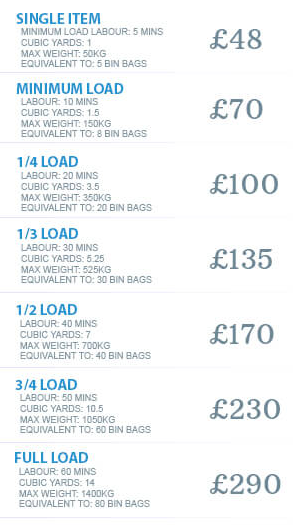
 Tipper Van - Rubbish Removal and Rubbish Collection Prices in Wimbledon SW19
 Luton Van - Rubbish Removal and Rubbish Collection Prices in Wimbledon SW19